Industrial Design5 min read
Anodized: the surface of an era
Before aluminium was everywhere, it was a statement. How a single finish came to define the look of modern computing — and why we leave it untouched.
Before aluminium was everywhere, it was a statement. How a single finish came to define the look of modern computing — and why we leave it untouched.
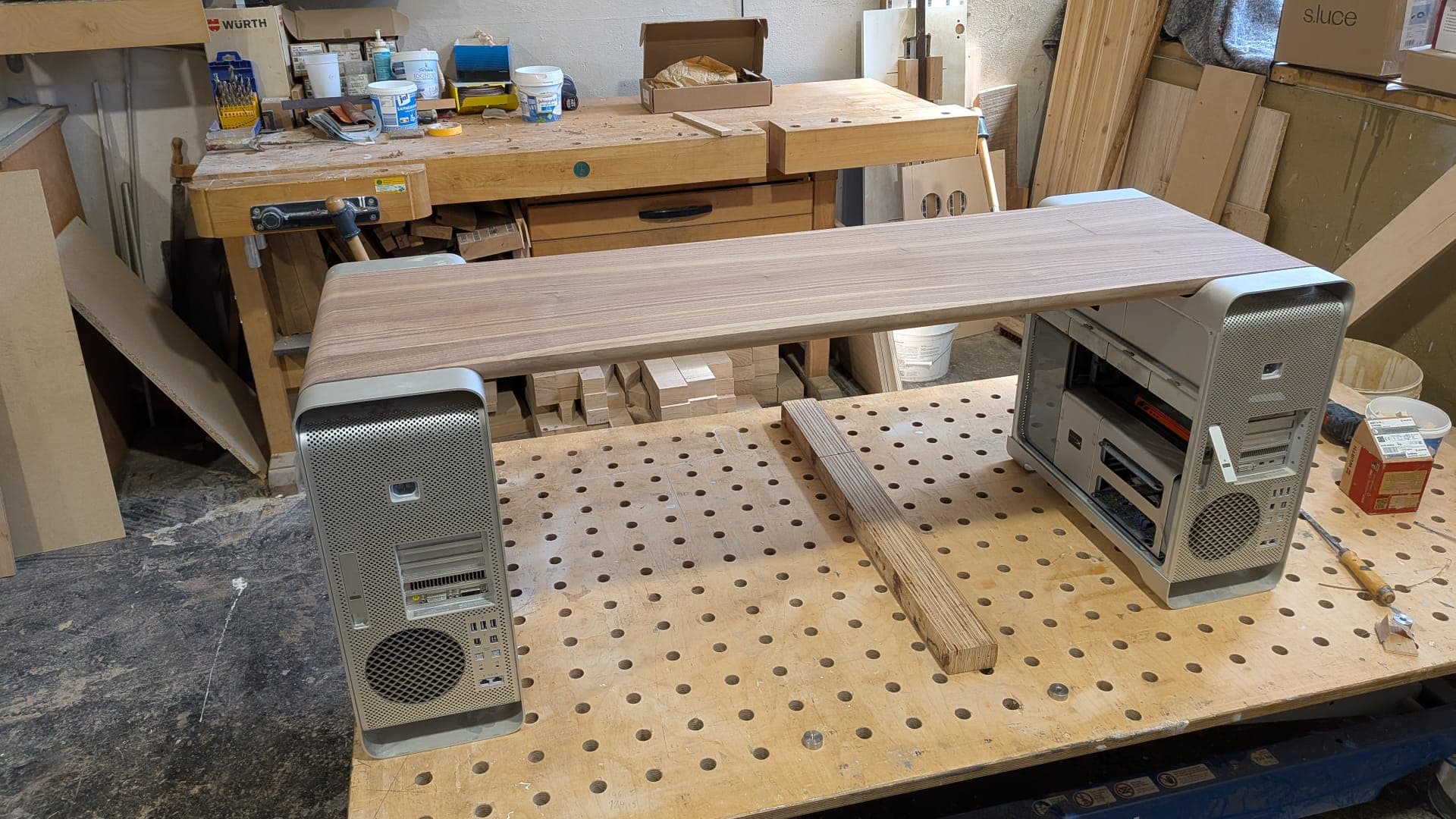
There was a moment when a computer made of aluminium felt like a message from the future. The material was light, strong, precise, and it took a finish that no plastic could imitate: anodizing.
Anodizing is not a coating sitting on top of the aluminium; it is a controlled oxide layer grown into the surface itself. That is why it does not chip like paint. It is hard, even, and slightly warm in tone — the reason these enclosures still look considered two decades on.
The signature grille of holes was there to move air. It also became the machine's face — a pattern so tied to the object that you would recognise it in silhouette. Good industrial design does this: it lets a functional requirement become an identity.
“Good industrial design lets a functional requirement become an identity.”
We do nothing to this surface. No paint, no wrap, no polish that erases its history. The small marks a working machine collects stay where they are. The aluminium is left to be exactly what it is, next to wood that is exactly what it is.
From the garages of the Bay Area to studios in Berlin and Copenhagen, the tools a founder keeps say as much as the products they ship. A note on why the Mac Pro belongs in that story.
Product developmentThe first HARDWOOD Bench was a one-off, built by hand to see if the idea held. Turning it into something repeatable is a different kind of craft.